
Manon Szczepan, PhD, from Harvard Medical School Awarded $90,000 Knights Templar Eye Foundation Grant for Retinopathy of Prematurity Research
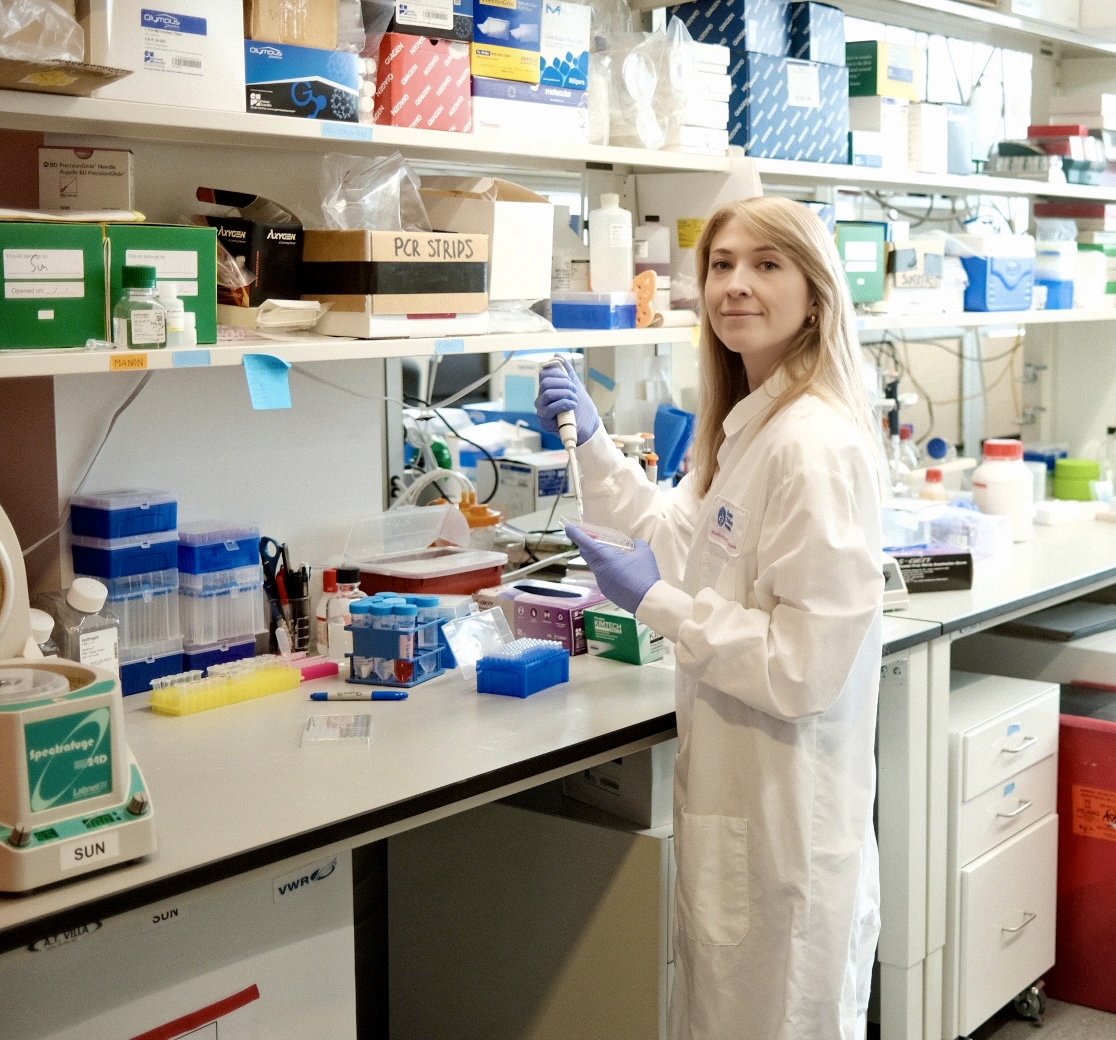
Manon Szczepan, PhD, from the Boston Children’s Hospital/Harvard Medical School was awarded a $90,000 grant for Targeting Glial Activation to Regulate Retinopathy of Prematurity via c-Fos.
Abnormal retinal blood vessel growth in premature infants, known as retinopathy of prematurity (ROP), is a leading cause of childhood blindness and can affect patients’ vision for life. Surgical interventions are the main treatment of choice, but it can be invasive and only partially effective in preventing further vision loss. Therefore, identifying less invasive therapies is necessary but requires a deeper understanding of how inflammation and activated glial cells contribute to ROP’s development. Although retinal neovascularization in vascular eye diseases is associated with changes in glial activation, the precise mechanisms remain poorly understood.
To develop more effective preventive treatments, Dr. Szczepan aims to focus on key regulators that integrate these altered functions and inflammatory processes to control abnormal blood vessel growth. She showed that the level of transcription factor c-Fos, an immediate early gene and pro-oncogene, was expressed in retinal glial cells and increased in the mouse retinas with oxygen induced retinopathy, a mouse model to study ROP progression. Her hypothesis is that c-Fos can regulate neovascular development by controlling the secretion of proinflammatory and proangiogenic factors from activated glial cells.
Dr. Szczepan will test this hypothesis using genetically modified mouse lines and disease models with two aims: (1) to determine whether glial c-Fos controls the development of abnormal retinal neovascularization in an ROP mouse model; and (2) to determine what controls glial activation and glia mediated-retinal inflammation during retinal neovascularization. Successful completion of the proposed research will strengthen her understanding of ROP disease and lead to new therapeutic strategies.