Akron Children’s receives $2 million to establish the Knights Templar Eye Foundation Research Endowment
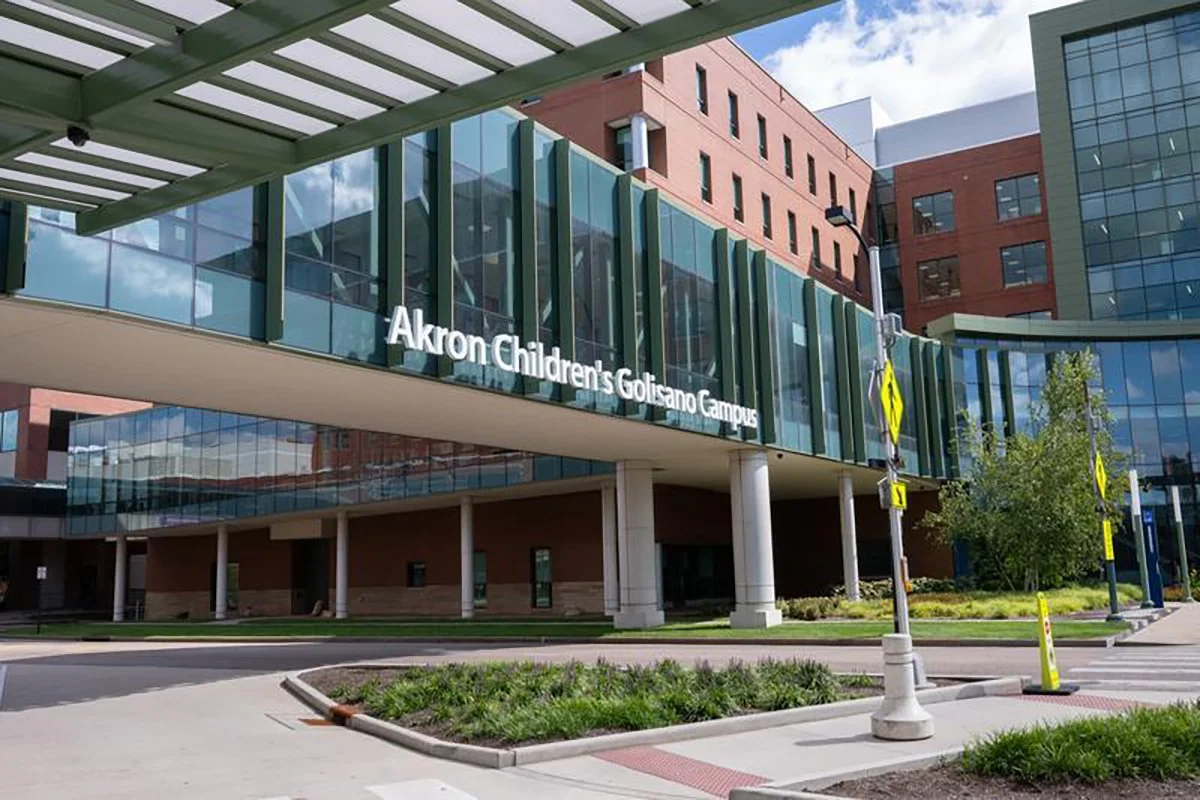
Akron Children’s has received a $2 million research endowment from the Knights Templar Eye Foundation (KTEF) to expand its research in pediatric eye disorders. In tandem with the foundation’s philanthropic support, Akron Children’s will match the gift with an additional $2 million for a total of $4 million.
Read More
$4 Million Partnership with the University of Michigan’s W.K. Kellogg Eye Center Establishes the Knights Templar Eye Foundation Endowed Pediatric Research Fund
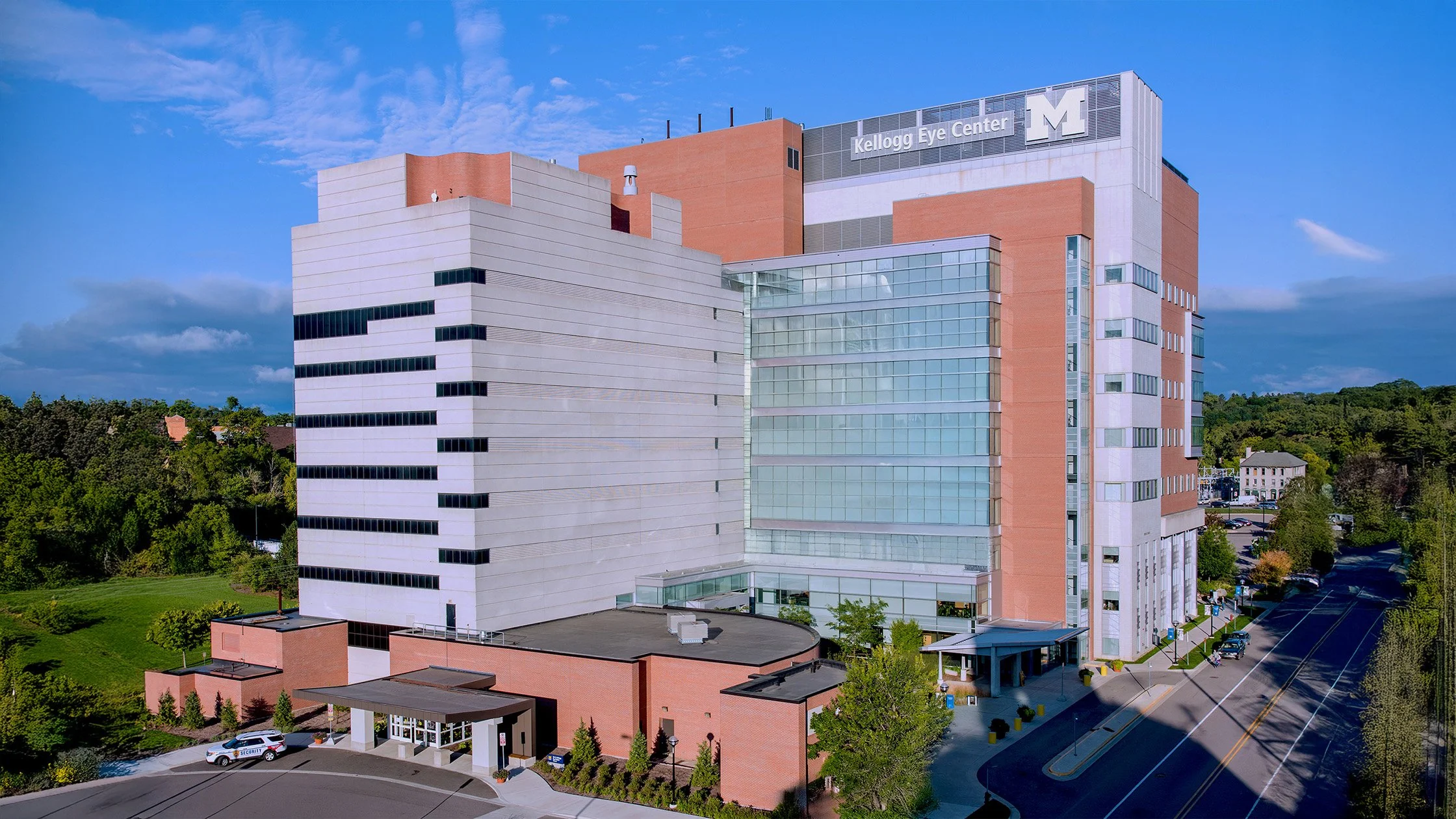
A $2 million gift from the Knights Templar Eye Foundation, Inc. (KTEF), has forged a partnership with the W.K. Kellogg Eye Center at Michigan Medicine’s Department of Ophthalmology and Visual Sciences, establishing the Knights Templar Eye Foundation Endowed Pediatric Research Fund.
Read More
Augusta University’s Yusra Zaidi, PhD, Receives $90,000 KTEF Grant for Retinopathy of Prematurity Research
Dr. Zaidi is studying whether Apolipoprotein A1 can reduce inflammation and abnormal blood vessel growth in retinopathy of prematurity. The research could point toward safer ways to protect vision in premature infants.
Read More
59th Voluntary Campaign
For the second year in a row, we received more contributions than any previous year. Contributions totaled $1,938,951. That is an increase of $61,357 or 3.3% over the prior Campaign. Two record setting years in a row. The Knights of the Grand Encampment are reaching deep and making a difference in this world.
Read More
KTEF Awards $90,000 to University of Virginia’s Jiahui Wu, MD, PhD, for Juvenile Myopia Imaging Research
Dr. Wu is using advanced retinal imaging to study how juvenile myopia and related complications damage the retina. Her work aims to improve early detection and monitoring before permanent vision loss occurs.
Read More
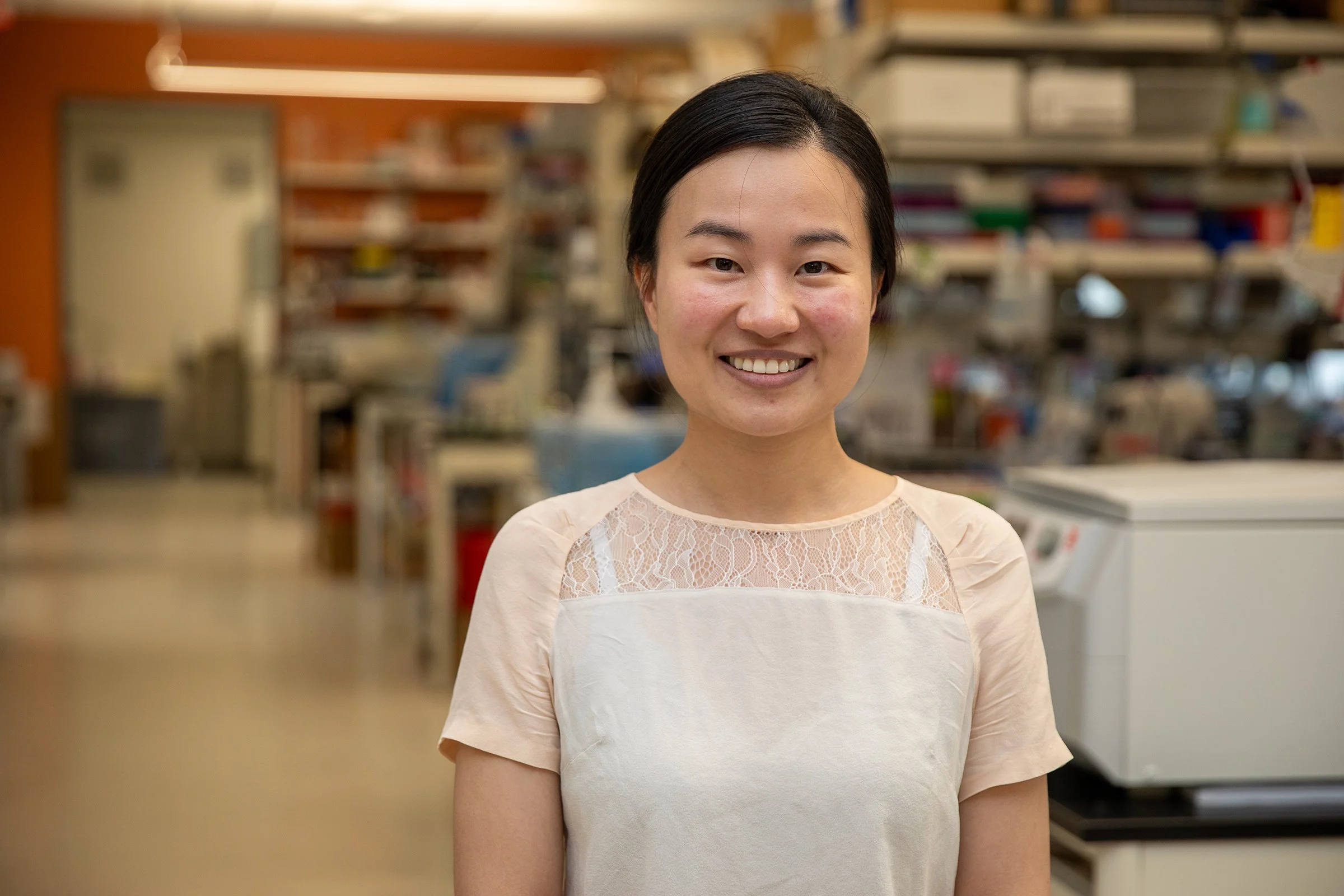
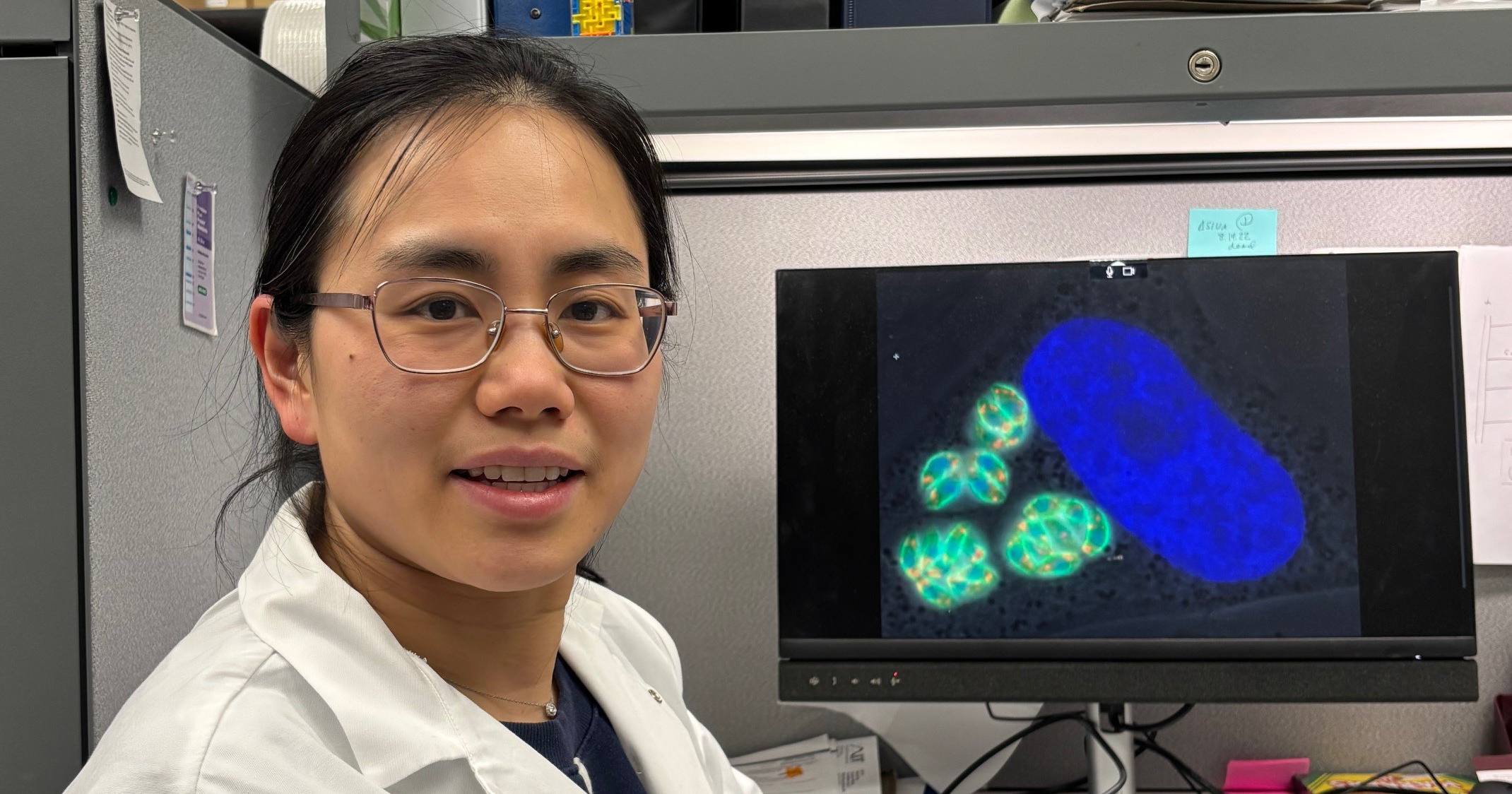
$90,000 KTEF Grant Supports University of Michigan’s Fengrong Wang, PhD, in Ocular Toxoplasmosis Research
Dr. Wang is investigating Toxoplasma gondii, a parasite that can be acquired through contaminated food or exposure to contaminated soil or cat feces and can also be passed from mother to child during pregnancy. Her research focuses on how chronic cysts from the parasite form, persist, and reactivate in the eye, potentially leading to new treatments that prevent recurring eye damage and vision loss.
Read More
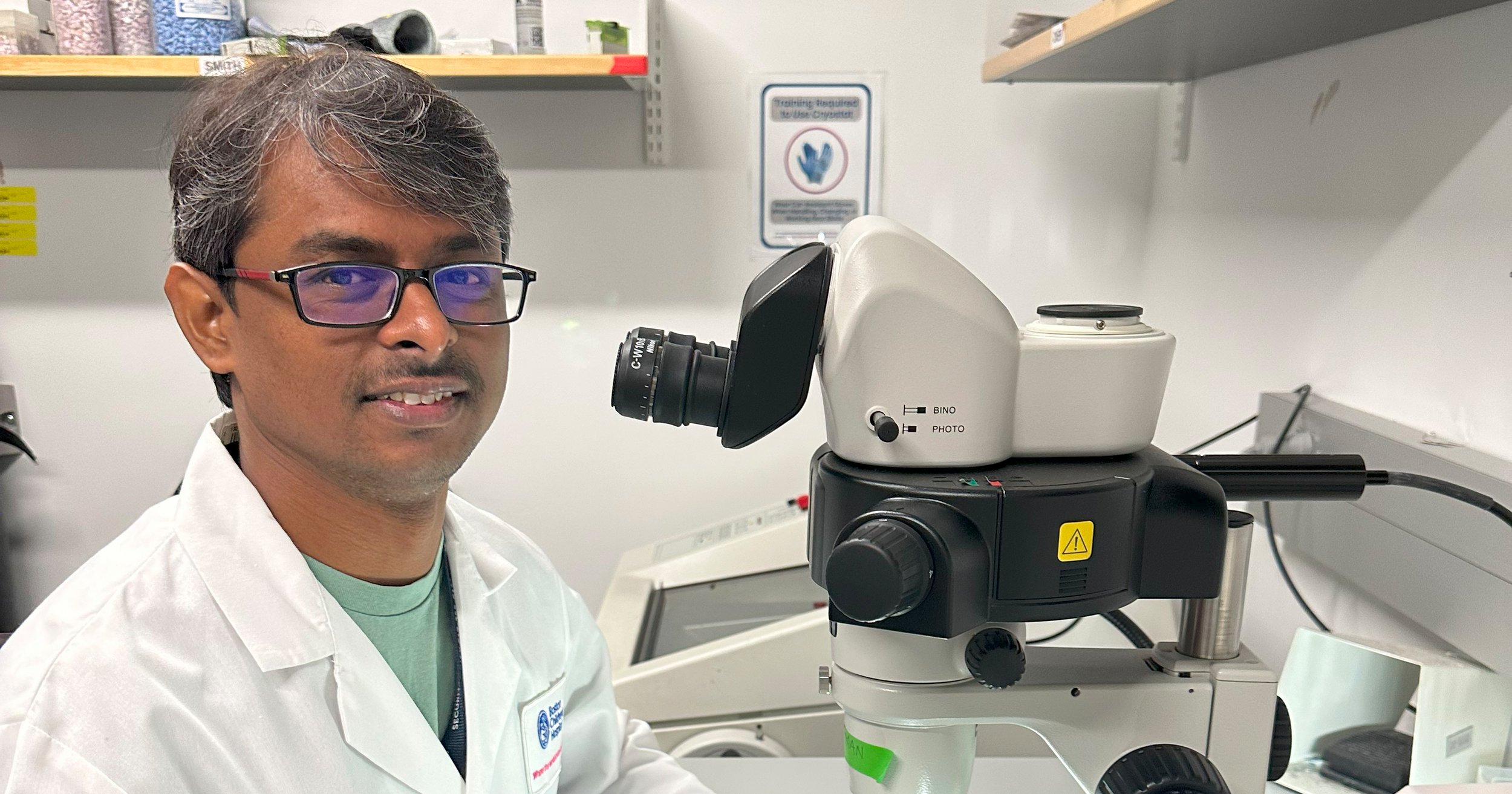
Boston Children’s Hospital’s Sampath K. Vemula, PhD, Receives $90,000 KTEF Grant to Investigate Nystagmus
Dr. Vemula is studying the role of VEGF-A in infantile nystagmus, particularly in patients with albinism. His work could help determine whether an existing class of eye drugs may offer a new therapeutic approach.
Read More
UCSF’s Yao Tong, MD, PhD, Receives $90,000 KTEF Grant for Stargardt Disease Research
She anticipates that these studies will provide important insight into mechanisms that drive Stargardt disease and find ways to treat this currently untreatable condition.
Read More
Record-Breaking Year for the Knights Templar Eye Foundation
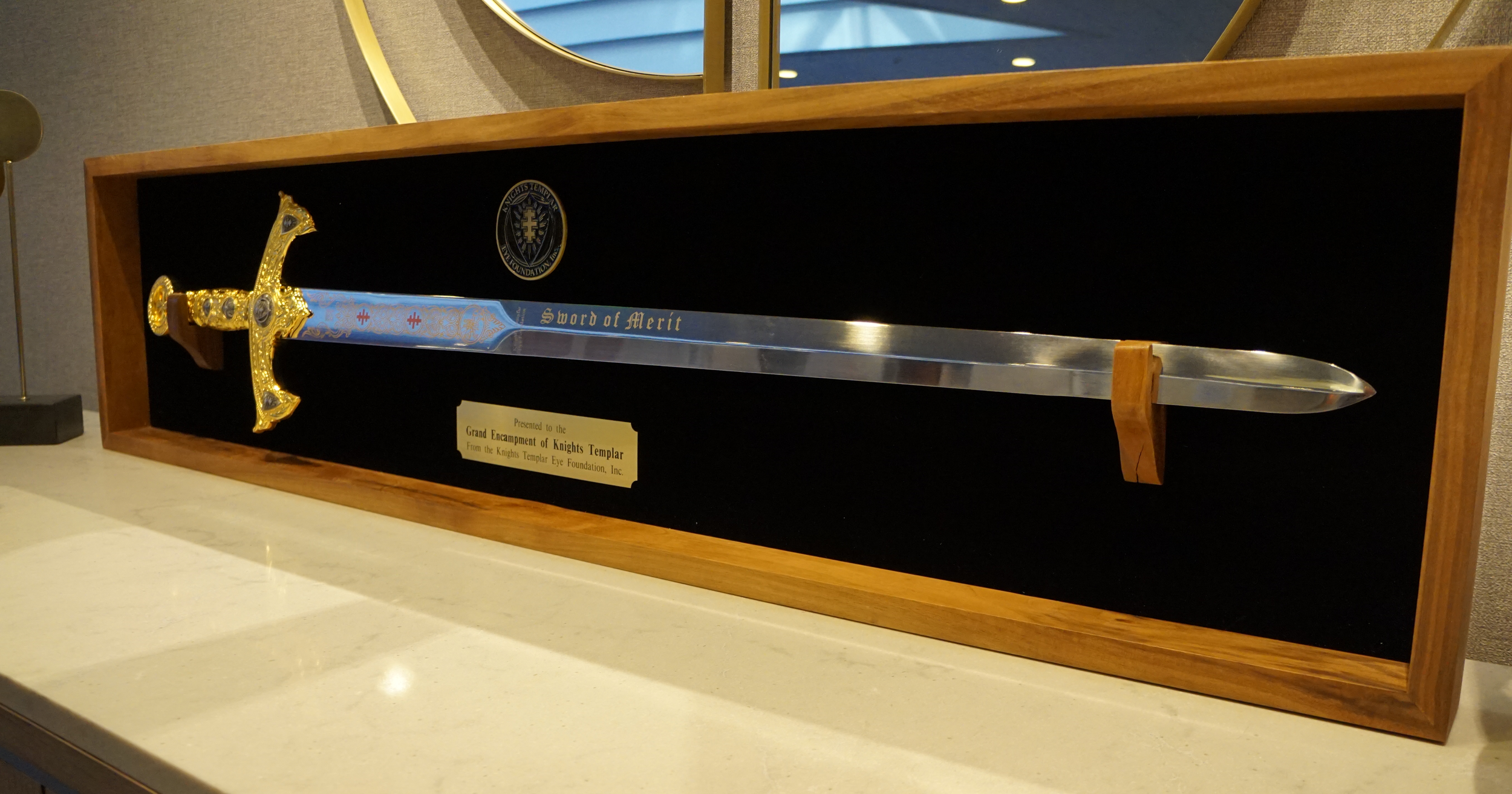
The Knights Templar Eye Foundation awarded a record number of fourteen Swords of Merit in FY 2025–2026. Each Sword of Merit is awarded for a donation totaling $25,000 or more, achieved either as a single gift or through the accumulation of twenty-five Grand Master Clubs. Additionally, during the same time frame, the Foundation awarded eleven Golden Chalices, each representing a single contribution of $10,000.
Read More
Knights Templar Eye Foundation 2026 ARVO Annual Meeting
In 2015, the Foundation began funding Travel Grants. In that first year, only 59 grants were awarded. Today, with annual funding increased to $100,000, the Foundation was able to award 95 Travel Grants this year alone.
Read More
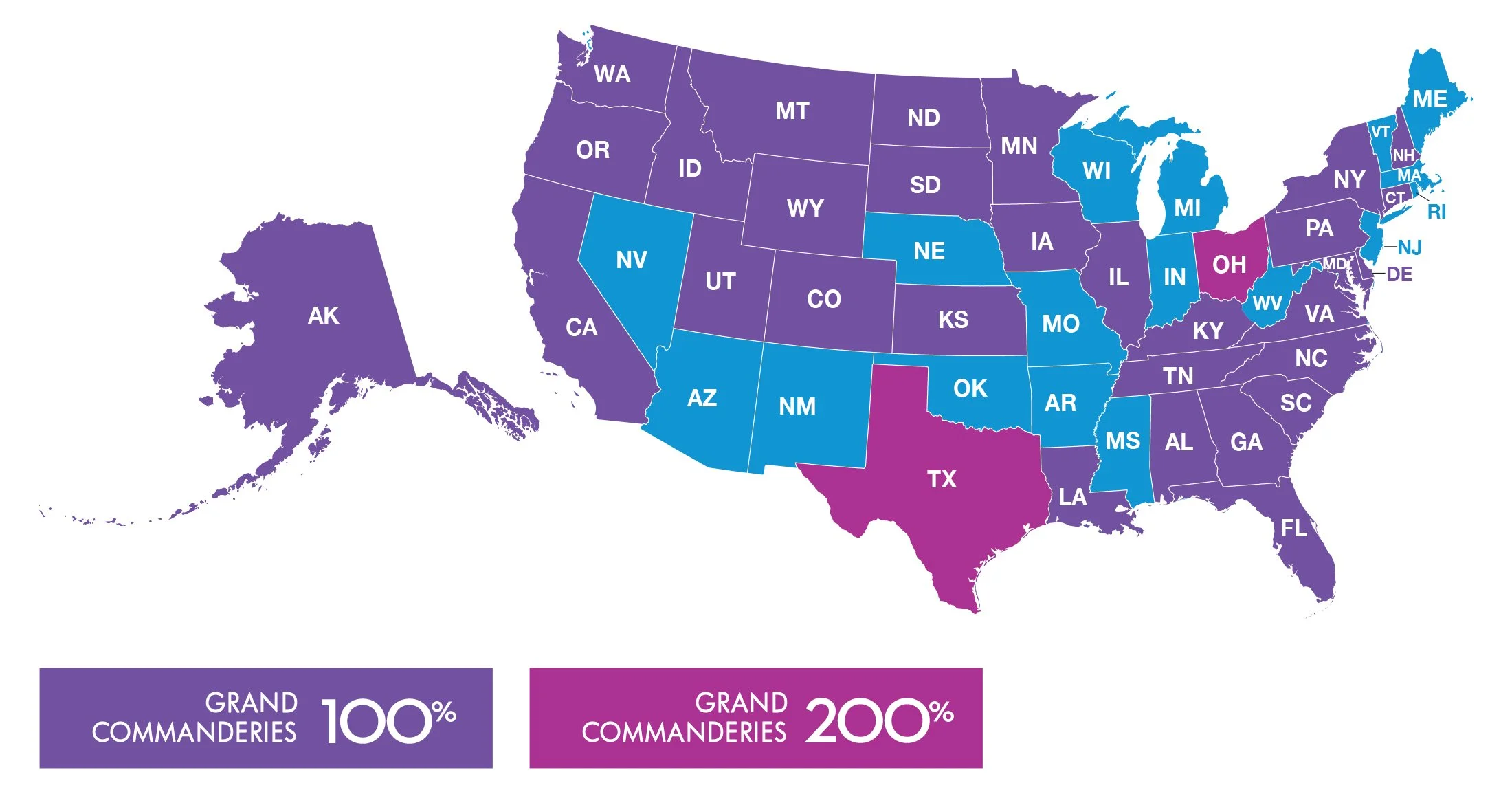
Grand Commanderies with 100% and 200% Life Sponsorships
The Officers and Directors of the Knights Templar Eye Foundation wish to thank all Grand Commanderies that have become either 100% or 200% Life Sponsors within their jurisdiction and to those Grand Commanderies that are actively working towards the 100% goal.
Read More
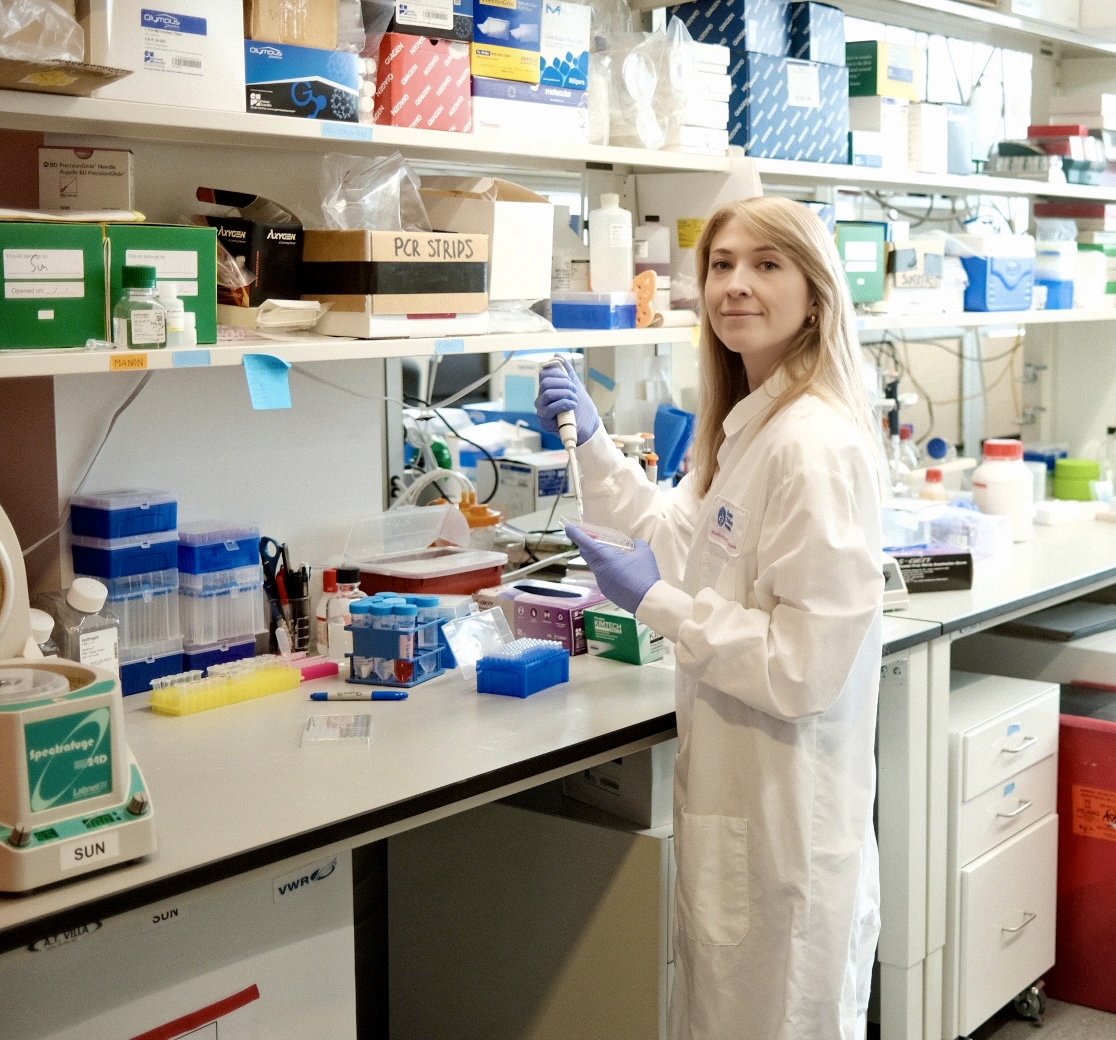
Manon Szczepan, PhD, from Harvard Medical School Awarded $90,000 Knights Templar Eye Foundation Grant for Retinopathy of Prematurity Research
Dr. Szczepan will test this hypothesis using genetically modified mouse lines and disease models with two aims: (1) to determine whether glial c-Fos controls the development of abnormal retinal neovascularization in an ROP mouse model; and (2) to determine what controls glial activation and glia mediated-retinal inflammation during retinal neovascularization. Successful completion of the proposed research will strengthen her understanding of ROP disease and lead to new therapeutic strategies.
Read More
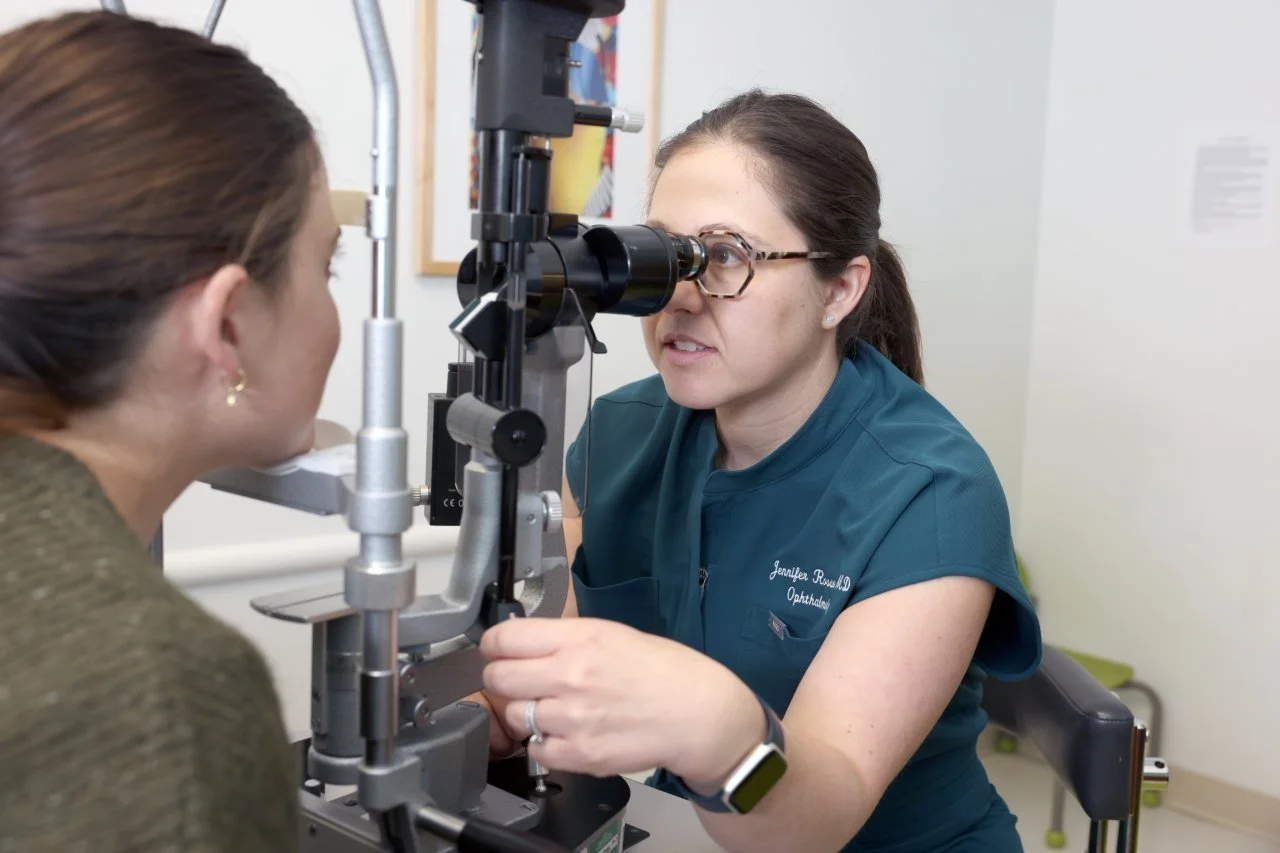
Jennifer Landau Rossen, MD, from Lurie Children's Hospital of Chicago Awarded $89,905 Knights Templar Eye Foundation Grant for Childhood Cataracts Research
Dr. Rossen will complete gene-disease associations and variant curation guidelines for the thirteen Crystallin genes, which are associated with approximately half of all isolated pediatric cataracts, by standard methods and compare them to an accelerated Artificial Intelligence (AI)-supported workflow that she will create. The AI-supported workflow, once validated, will be employed for other ocular gene curation work.
Read More
Aniket Ramshekar, MD, PhD, from Stanford Ophthalmology Advanced Research (SOAR) Residency Program Awarded a $90,000 Knights Templar Eye Foundation Grant for Retinopathy of Prematurity Research
In this research project, Dr. Ramshekar, focuses on the role of VEGF signaling in the development of retinal ganglion cells – a specific type of retinal neuron. He predicts that VEGF signaling is needed not only for retinal blood vessel growth but also for retinal ganglion cell development in the retina. The data from this project will better define the role of VEGF signaling in the development of retinal neurons. This research has the potential to provide new insights into how doctors can better treat and prevent vision loss in children affected by ROP.
Read More
Jose Raul Perez-Estrada, PhD, from Miami Awarded $90,000 Knights Templar Eye Foundation Grant for The Metabolic Paradigm in Eye Development and Regeneration
In Greek mythology, an example of regeneration is the Lernean Hydra, a giant water snake-like monster with nine heads, that regenerated each head when cut off. In recent times, the best example of a fictional regeneration figure is Wolverine, a superhero in X-Men comics. Wolverine’s superpower is not to control minds or the ability to shoot rays; his superpower is too simple: to be able to heal and regenerate fast. Thus, regeneration makes Hydra and Wolverine almost immortal beings that do not develop diseases. Newts are animals that, like Hydra, can form a new structure of the eye after being cut off and heal their eye after an injury, just like Wolverine does. Thus, by studying newts, Dr. Perez-Estrada could learn from their regenerative superpower and apply it to humans to cure diseases.
Read More
Linjiang Lou, PhD, from Emory University School of Medicine Awarded $89,857 Knights Templar Eye Foundation Grant for Refractive Development and Retinal Dopamine Level Research
Dr. Lou’s research will increase understanding of the role of bright light exposure and dopamine in myopia development and provide important insight into optimization of potential light treatment strategies to prevent or reduce myopia in children.
Read More
Jose Ronaldo Lima de Carvalho Jr., MD, from University of Pennsylvania Awarded $90,000 Knights Templar Eye Foundation Grant for Research Into Blinding Diseases Which Affect Children Under 10
Autosomal dominant optic atrophy and cataracts (ADOAC) or 3-Methylglutaconic aciduria type III (MGA3), also knownas Costeff syndrome, are caused by mutations in the OPA3 gene. Affected patients present with an early onset complex blinding disease, typically before the age of five for MGA3 and around 10-year-old for ADOAC, characterized by optic atrophy along with other symptoms such as peripheral neuropathy, cognitive impairment, and dysmotility. There currently is no treatment for these devastating diseases. Lima de Carvalho’s long-term goal is to work on both gene therapy and drug screening to prevent blindness and reduce morbidity in affected infants.
Read More
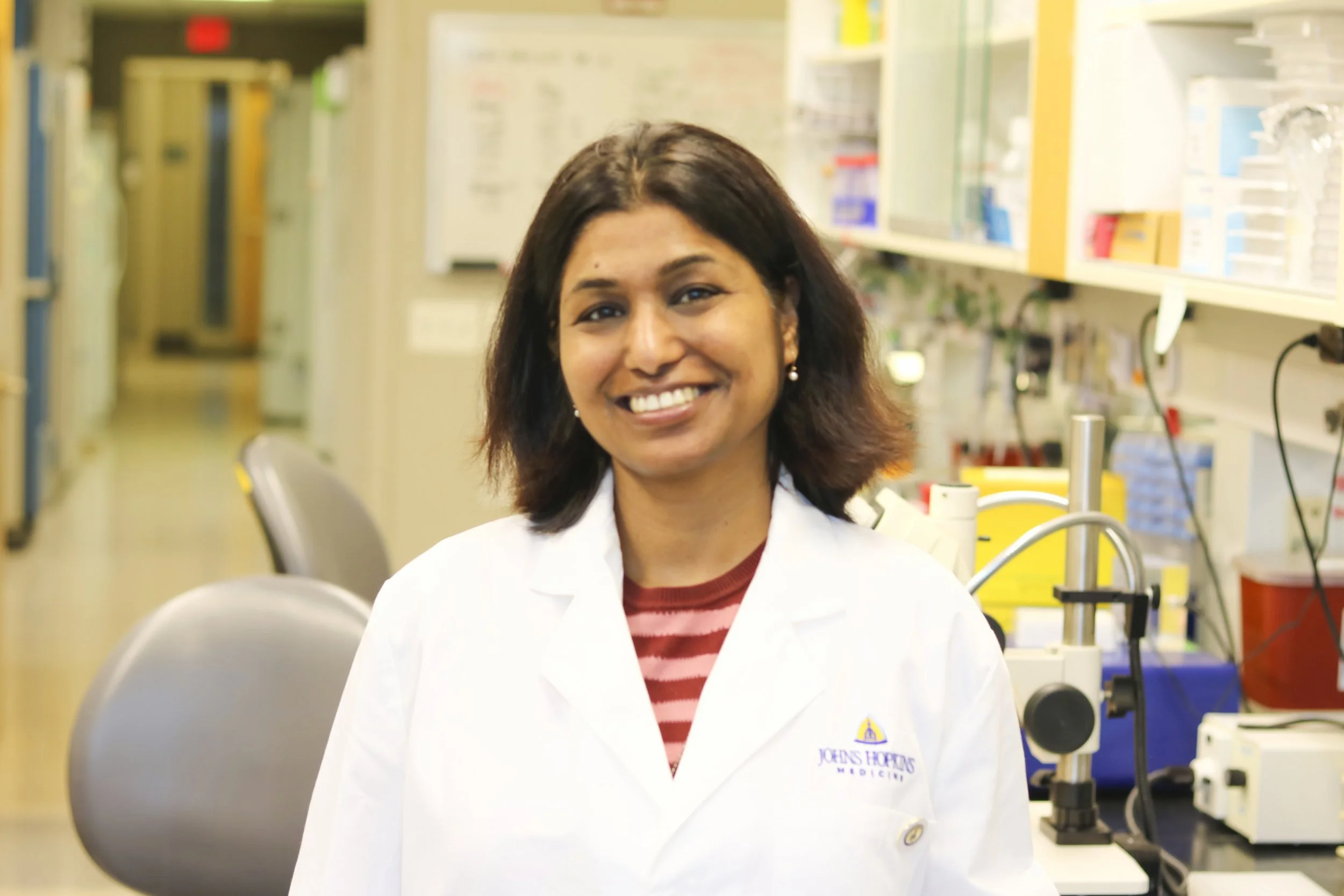
Sangeetha Kandoi, PhD, from Johns Hopkins University Awarded $90,000 Knights Templar Eye Foundation Grant for Retinal Dystrophy Research
By understanding the molecular details of cone development in the TS organoid, Dr. Kandoi will create a roadmap for generating cone-rich human retinal organoids. These mini-retinas-in-a-dish can be versatile tool in the treatment of LCA, EOSRD, and other retinal dystrophies.
Read More
Meha Kabra, PhD, from University of Wisconsin Awarded $90,000 Knights Templar Eye Foundation Grant for Congenital Stationary Night Blindness Treatment Research
Dr. Kabra’s approach will answer several important questions: 1) Can genome editors correct gene mutations precisely? 2) Does gene correction restore the channel function? 3) Is biallelic editing necessary for the channel function? 4) Can PRs be efficiently targeted intravitreally? 5) What would be the long-term off-target effect of CRISPR AAVs?
Read More
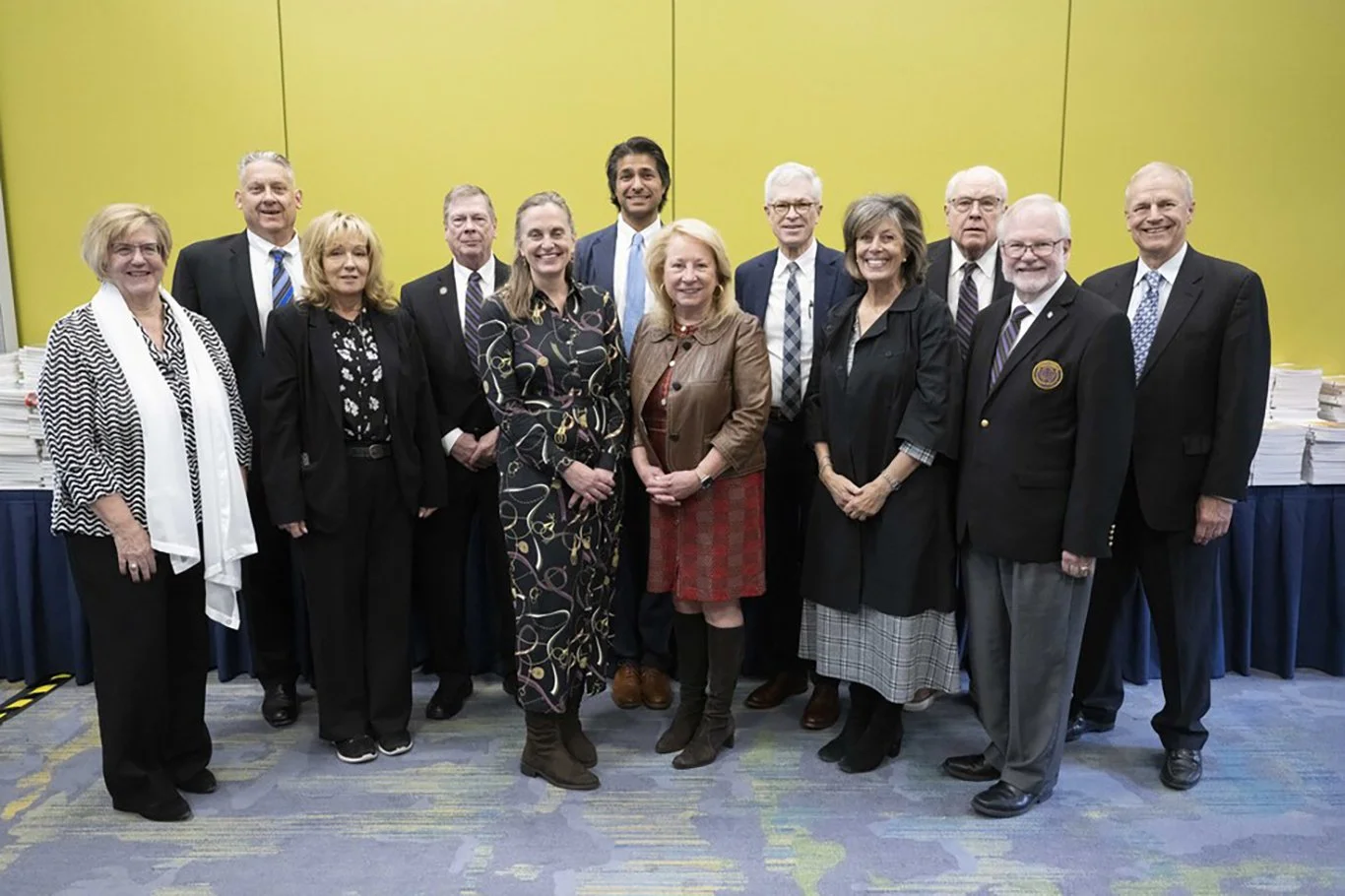
Christie L. Morse, MD, and the Knights Templar Eye Foundation 2025 Honorees
The American Academy of Ophthalmology (AAO) 2025 Annual Meeting took place this past October 18-20, 2025, in Orlando, Florida where during the meeting they recognized Christie L. Morse, MD, and the Knights Templar Eye Foundation for their leadership and commitment to improving vision.
Read More