
Jose Ronaldo Lima de Carvalho Jr., MD, from University of Pennsylvania Awarded $90,000 Knights Templar Eye Foundation Grant for Research Into Blinding Diseases Which Affect Children Under 10
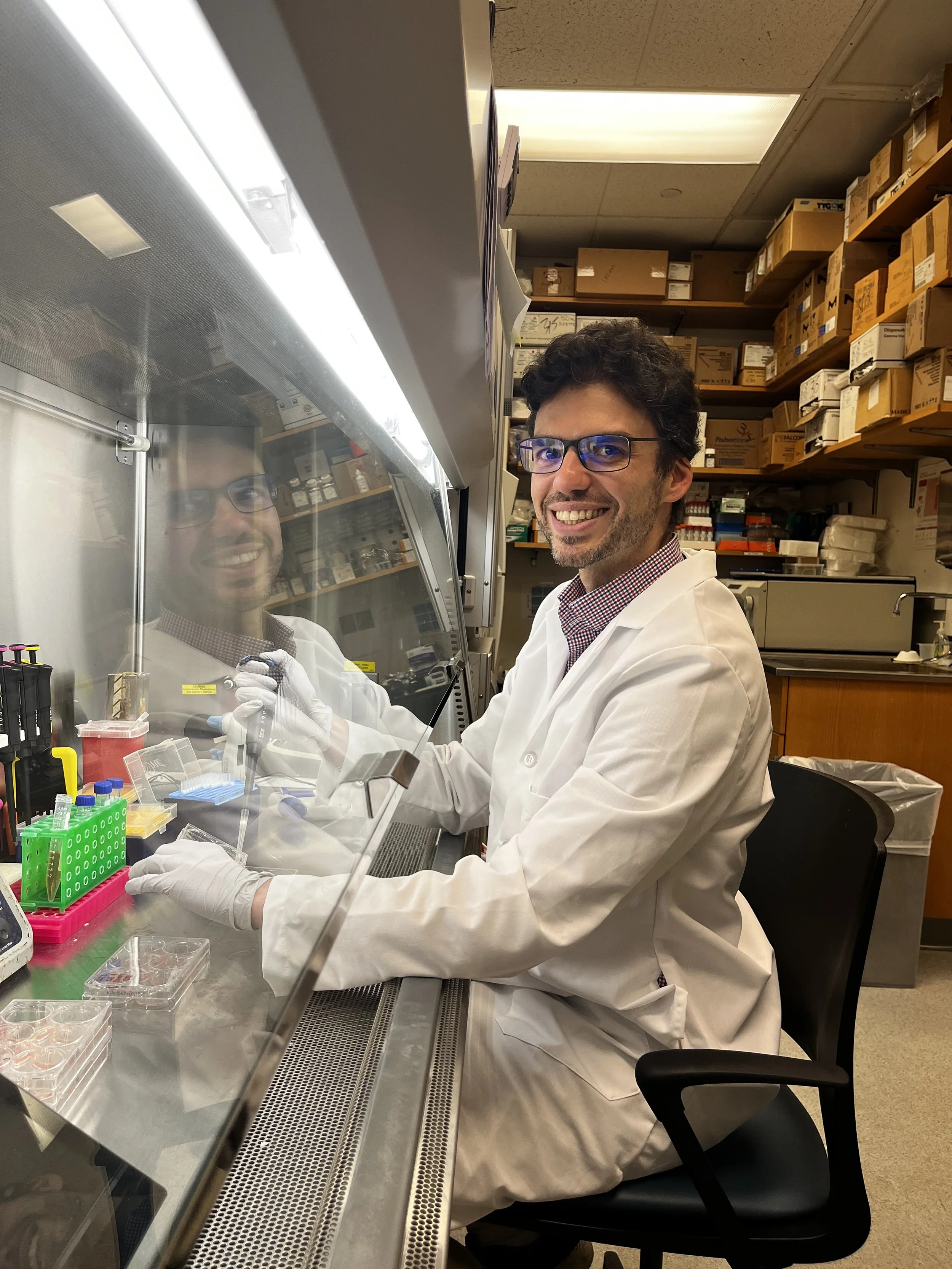
Jose Ronaldo Lima de Carvalho Jr., MD, from the F.M. Kirby Center for Molecular Ophthalmology, Department of Ophthalmology, Perelman School of Medicine, University of Pennsylvania, was awarded a $90,000 grant for Elucidating underlying mechanisms in OPA3-related autosomal dominant and recessive diseases.
Autosomal dominant optic atrophy and cataracts (ADOAC) or 3-Methylglutaconic aciduria type III (MGA3), also knownas Costeff syndrome, are caused by mutations in the OPA3 gene. Affected patients present with an early onset complex blinding disease, typically before the age of five for MGA3 and around 10-year-old for ADOAC, characterized by optic atrophy along with other symptoms such as peripheral neuropathy, cognitive impairment, and dysmotility. There currently is no treatment for these devastating diseases. Even though there have been some studies on OPA3, its function remains unclear. There is some evidence that OPA3 is important for mitochondria activity. Mitochondria are known as the powerhouse of the cells as they provide the majority of the energy needed for cell maintenance and survival. As such, cells that are metabolically more active, like neurons and optic nerve cells, are more affected in these diseases. Previous studies on both mouse and zebrafish OPA3 animal models did not recapitulate human disease.
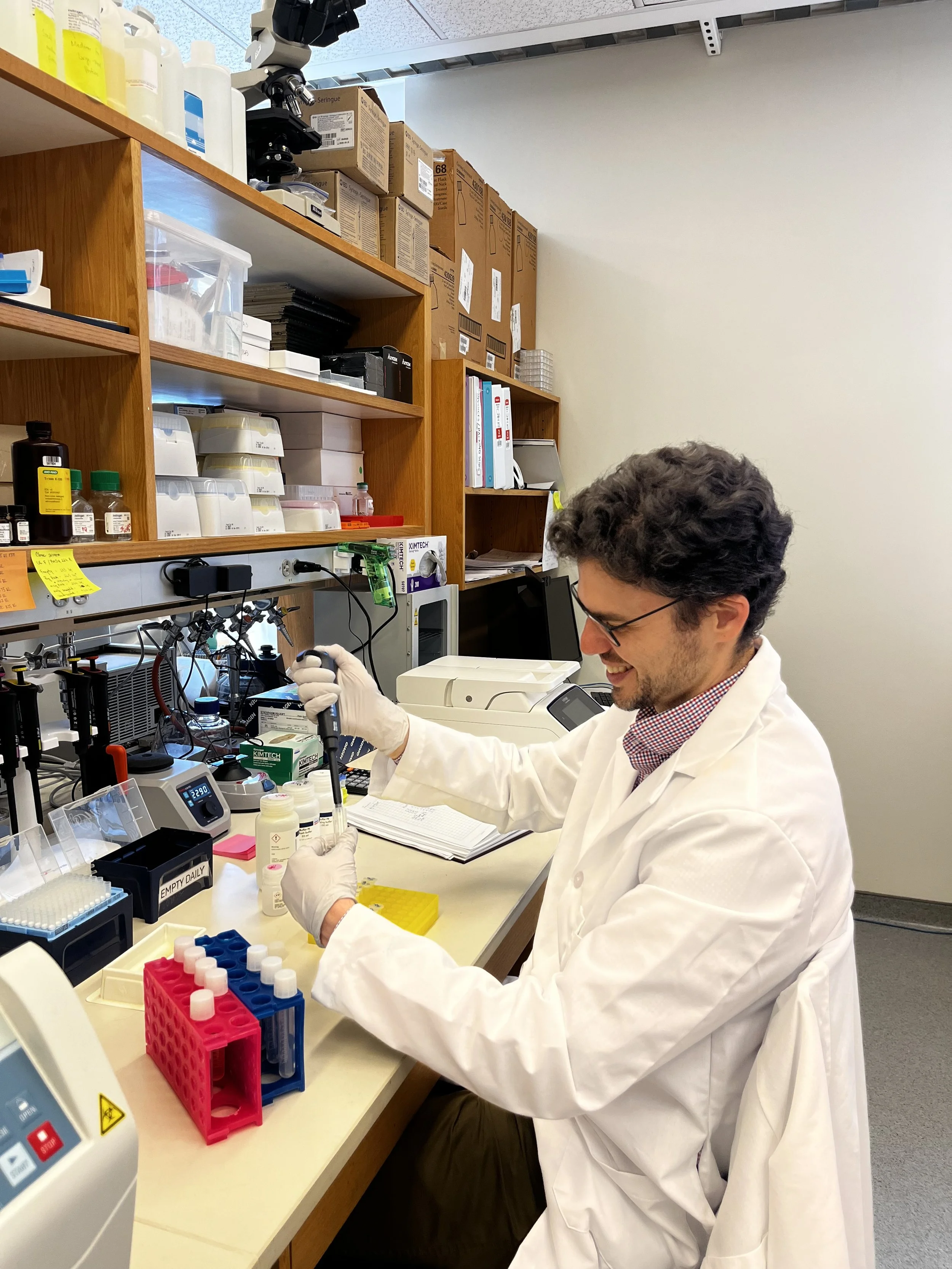
Dr. Lima de Carvalho’s research aims to provide new human models for both dominant and recessive OPA3-mediated diseases. Through the generation of “retina-in-adish”, he intends to explore the role of the OPA3 and find the pathways associate with optic atrophy in these disorders. He believes that having a better understanding of the disease mechanism in such human models might pave the way for future therapies. Dr. Lima de Carvalho’s long-term goal is to work on both gene therapy and drug screening to prevent blindness and reduce morbidity in affected infants.