$4 Million Partnership with the University of Michigan’s W.K. Kellogg Eye Center Establishes the Knights Templar Eye Foundation Endowed Pediatric Research Fund
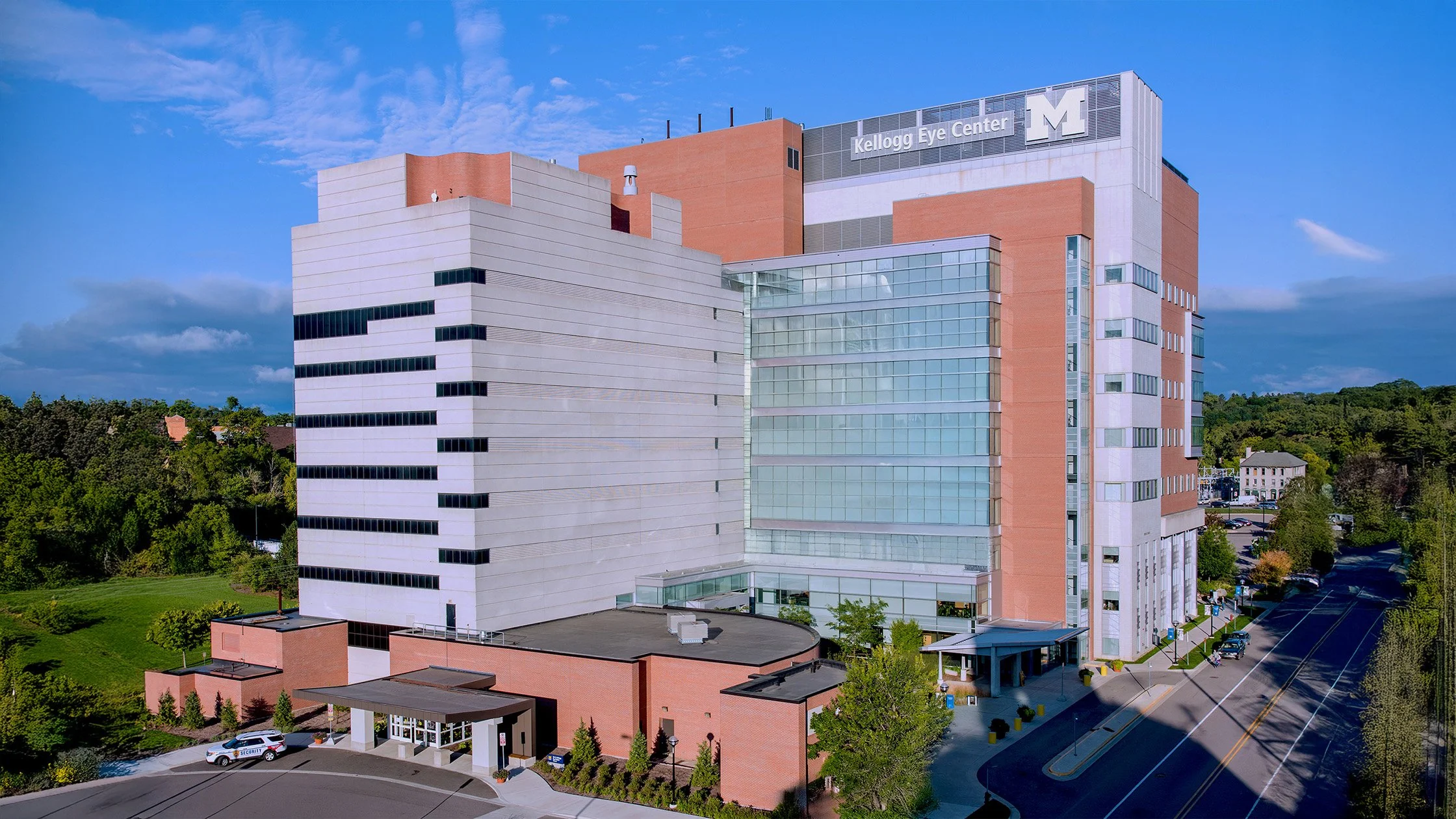
A $2 million gift from the Knights Templar Eye Foundation, Inc. (KTEF), has forged a partnership with the W.K. Kellogg Eye Center at Michigan Medicine’s Department of Ophthalmology and Visual Sciences, establishing the Knights Templar Eye Foundation Endowed Pediatric Research Fund. A pioneer in inherited eye disorders, the University of Michigan established the first Heredity Eye Clinic in the world in 1940. In tandem with the foundation’s philanthropic support, the university will match the gift with an additional $2 million for a total of $4 million that will fuel innovative children’s vision research and advance leading-edge care.
“Our pediatric vision physician-scientists are already making life-changing inroads in children’s eye care,” says Shahzad I. Mian, M.D., Chair and F. Bruce Fralick Professor of Ophthalmology and Visual Sciences and Director of the W.K. Kellogg Eye Center. “This partnership will further enhance our work and accelerate our efforts to bring about scientific discoveries that improve lives and give hope to people everywhere. The KTEF’s investment will help our most promising projects make their way to clinical care sooner, diminishing the threat of vision loss for many childhood eye disorders.”
KTEF’s mission is “to improve vision through research, education, and supporting access to care.” The foundation has funded innovative pediatric ophthalmic research for decades. Recently, David J. Kussman, President of the KTEF, wrote in the foundation’s donor publication about its transformational impact on strabismus. “Our research dollars have helped develop new, non-surgical treatments for this problem, and additional research and endowment programs are all being funded by your faithful support.”
The Knights Templar Eye Foundation Endowed Pediatric Research Fund will leverage the Kellogg Eye Center Pediatric Ophthalmology Clinic’s strong foundation to ensure every child with a genetic eye disease, both common and rare, receives the best possible care and vision possible. “Our leadership in pediatric ophthalmology is augmented by the complex patient population in our subspecialty clinics. We can build on our excellence as we learn from every patient, informing care and advancing treatments along the way,” says Dr. Mian.
The KTEF research endowment will provide critical funds for seed projects that bring bold new ideas in pediatric ophthalmic research to life. The endowment will also provide funding for trainees in pediatric eye research including fellows, residents, and graduate and medical students. It will support research infrastructure for patient recruitment and clinical data curation, clinical trials participation, collection of patient-derived samples, and bioinformatics analysis for patient-derived data.
Congenital eye disorders are the leading cause of childhood blindness worldwide. Many children and families go through diagnostic odysseys to find an answer. Once a diagnosis is found, it can be difficult to manage care between highly specialized physicians. Often, the correct diagnosis and optimal treatment require a team of specialists working in a center with vast experience of treating these rare conditions. Although prompt treatment may prevent blindness in most children, too many lose their vision and suffer hardship unnecessarily due to the lack of local expertise and limited access to highly specialized centers.
The W.K. Kellogg Eye Center is ranked as one of the nation’s top 10 eye centers for research and care and No. 1 in Michigan. It is an established leader in pediatric eye disease research and clinical care. Its rich history of scientific discovery has improved outcomes and quality of life for children facing vision difficulties of all kinds and is among the few academic institutions that provides world-class care from all eye subspecialties to children. This includes cornea, retina, glaucoma, neuro-ophthalmology, strabismus and amblyopia, ocular oncology, inherited retinal disease, plastic surgery, and ophthalmic genetics. Kellogg’s coordinated care extends to children with the rarest of conditions that affect eyesight such as microphthalmia, Peters anomaly, anterior segment dysgenesis, and more.