
$90,000 KTEF Grant Supports University of Michigan’s Fengrong Wang, PhD, in Ocular Toxoplasmosis Research
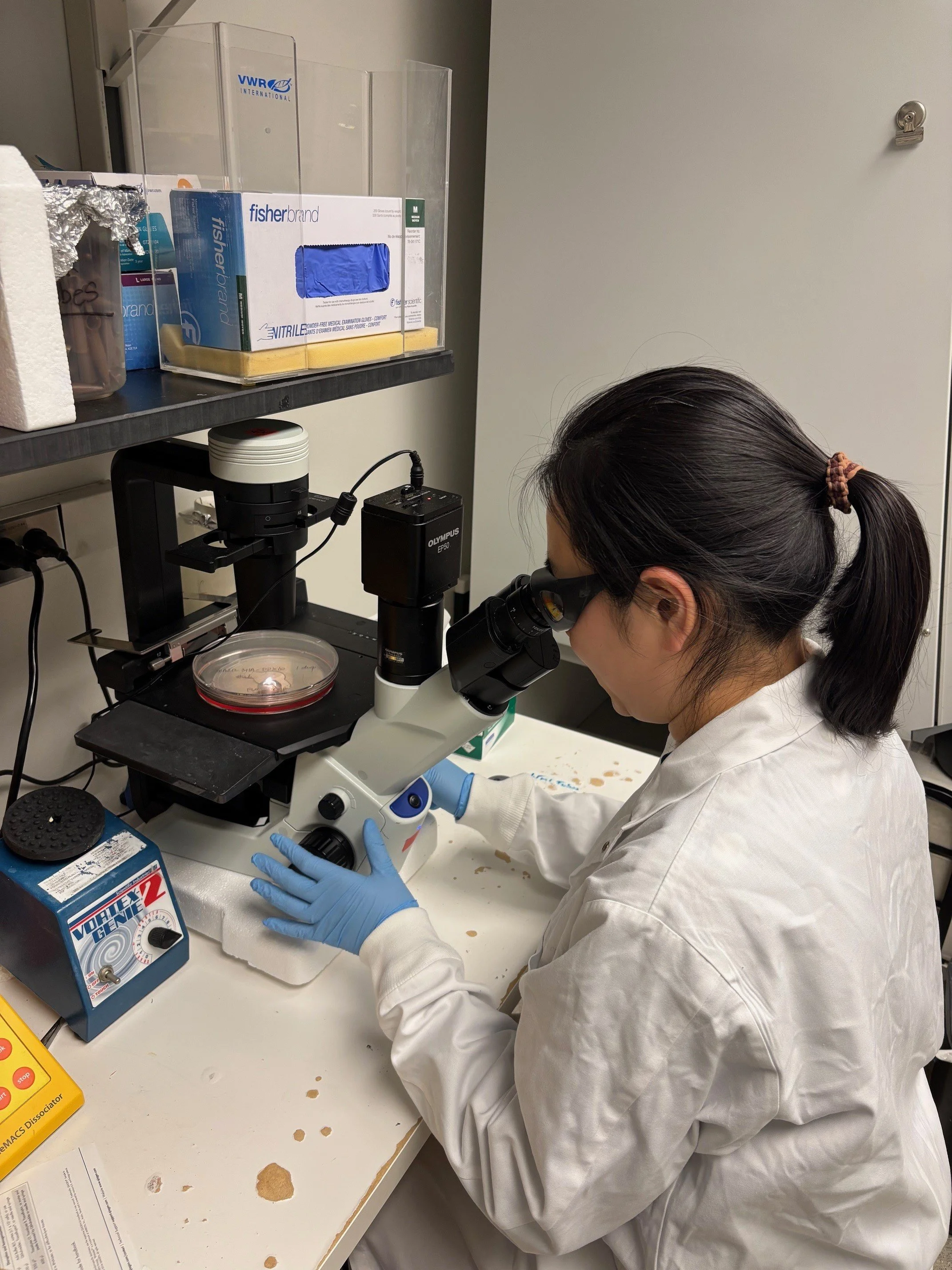
Fengrong Wang, PhD, from the University of Michigan, was awarded a $90,000 grant for Deciphering the Role of Translation Regulation in Ocular Parasite Differentiation and Persistence.
Toxoplasma gondii is a parasite that can cause congenital toxoplasmosis, transmitted from an infected mother to her baby during pregnancy or acquired through primary infection. This condition can lead to serious vision problems, including chorioretinitis, a form of eye damage that may result in blindness. While treatments exist for the acute stage of toxoplasmosis, many children initially show no symptoms but later develop complications. The chronic stage, characterized by long-lasting cysts in the eyes and other organs, has no effective treatment. These cysts can remain dormant for years and occasionally reactivate, causing recurrent eye damage and vision loss.
Dr. Wang’s research aims to disrupt this cycle by understanding how these cysts form, survive and reactivate. He has identified a key protein, eIF1.2, which is crucial for the parasite to form chronic cysts. eIF1.2 regulates translation initiation, the process by which parasite determines which proteins to produce. Disrupting eIF1.2 impairs cyst formation by altering protein production, but it remains unclear which specific proteins are affected.
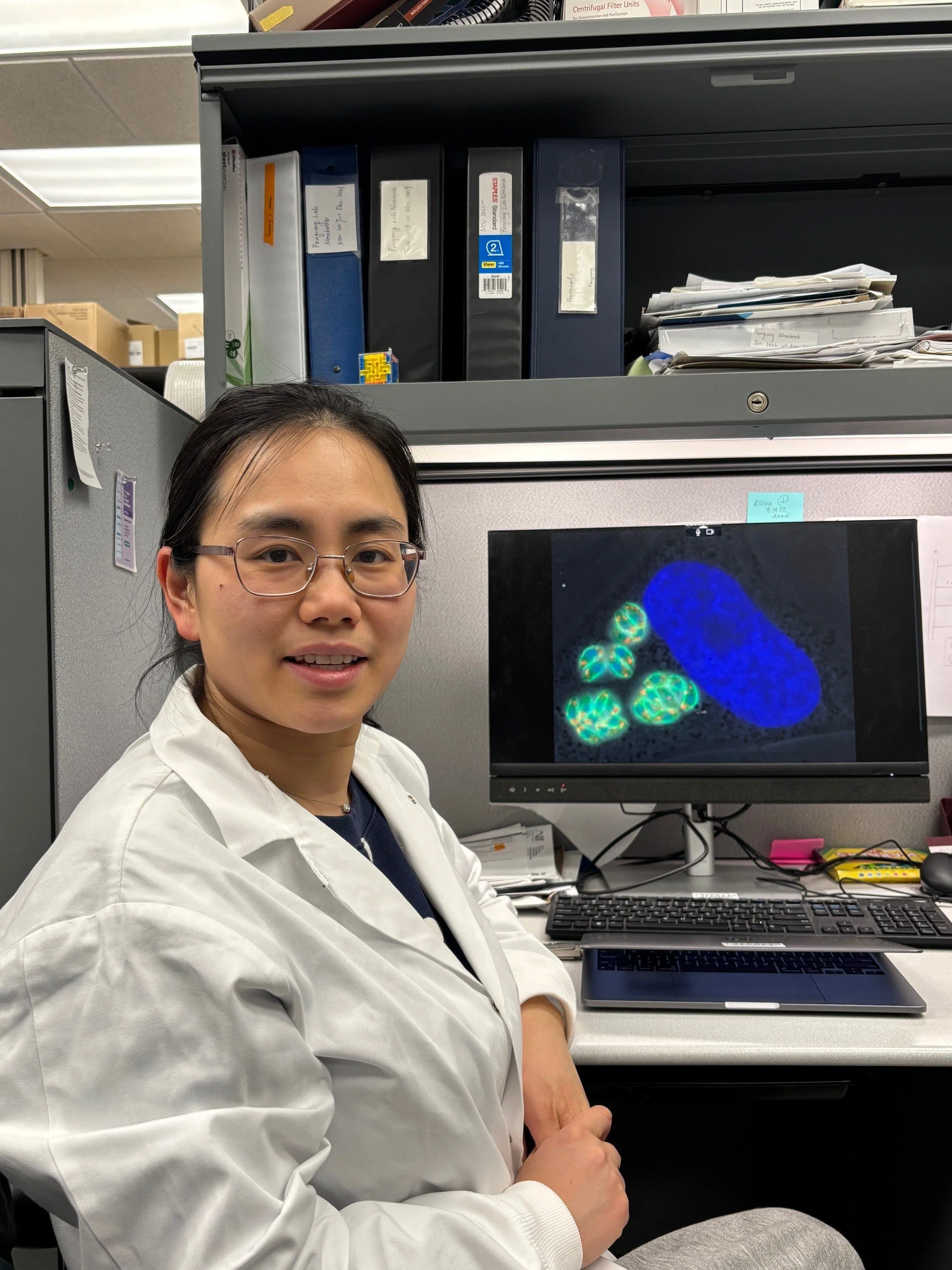
To address this, Dr. Wang’s research has two goals:
Identify the proteins that cannot be produced without eIF1.2 to uncover critical factors required for cyst formation.
Determine whether eIF1.2 and these proteins are necessary for cyst survival by studying their roles in cyst formation, maintenance, and reactivation.
By uncovering the mechanisms behind cyst development, persistence and reactivation, his research aims to lay the foundation for new treatments to prevent chronic toxoplasmosis and protect children from vision loss caused by ocular infection.