KTEF Awards $90,000 to University of Virginia’s Jiahui Wu, MD, PhD, for Juvenile Myopia Imaging Research
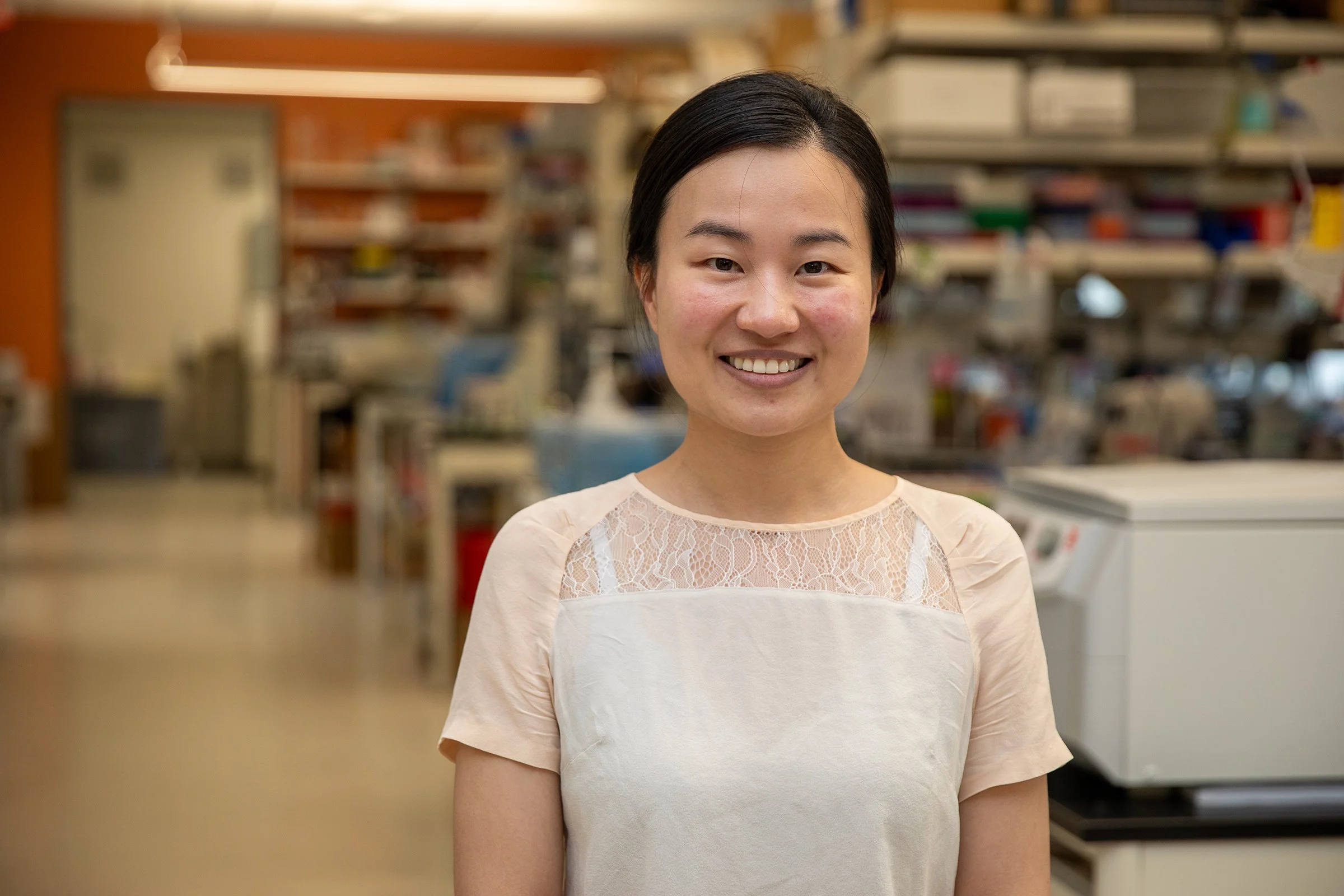
Jiahui Wu, MD, PhD, from the Department of Biology, University of Virginia, was awarded a $90,000 grant for In Vivo Imaging Retinal Damage and Choroidal Neovascularization in Tree Shrews with Juvenile Myopia.
Dr. Wu is deeply interested in how the visual system develops and how diseases can damage it, causing vision loss in young patients. Myopia, or nearsightedness, is becoming a global health concern, with over 50% of the world’s population expected to be affected by 2050. Most cases start in childhood, and controlling myopia progression in children is much harder than in adults, making early intervention critical. Severe myopia can lead to serious complications, such as retinal detachment, glaucoma, and choroidal neovascularization (CNV), which often causes lasting vision loss due to a lack of effective long-term treatments.
Dr. Wu’s research aims to better understand how myopia and CNV damage the retina and to find new ways to detect and monitor these changes early. She will use a unique animal model, the tree shrew, whose eyes closely resemble human eyes. Her lab has developed a cutting-edge imaging tool called visible-light optical coherence tomography (vis-OCT), which provides highly detailed views of the retina. Dr. Wu will use vis-OCT to study early changes in the retina of young myopic tree shrews and validate these findings with other advanced imaging techniques. She will also explore how myopic CNV develops and identify specific markers of damage.
By the end of this project, Dr. Wu hopes to establish new tools for detecting and monitoring retinal damage in children with myopia and CNV. These findings could lead to earlier and more effective treatments, helping to preserve vision and improve quality of life.